Say Goodbye to Multi-Tube Complexity, Embrace the Hyper-Premix: μCaler Opens a New Era of Simplified Hybrid Capture
01
Hybrid capture-based NGS technology has become a core approach in precision medicine, life sciences, agricultural breeding, public health, and biosafety due to its broad target coverage, high analytical sensitivity, compatibility with diverse sample types, and flexible panel design. It supports a wide range of applications, including disease screening, precision diagnosis and treatment, pathogen surveillance, genetic research, and emerging therapeutic technologies. Meanwhile, certain applications place higher demands on workflow efficiency, Mini Panel capture stability, and detection sensitivity. The proprietary, patent-protected μCaler Hybrid Capture System is specifically designed to address these key needs. It currently provides mature and reliable technical solutions for a range of applications, including early cancer detection and auxiliary diagnosis, treatment response assessment and recurrence monitoring, pathogen identification and antimicrobial resistance (AMR) analysis, as well as safety evaluation of gene-editing products.
However, the regular multi-tube μCaler Hybrid Capture System (μCaler Hybrid Capture Reagents v2) relies on a multi-component reagent composition, requiring sequential reagent thawing, crystals heating, vortex mixing, brief centrifugation, and reaction mixture preparation prior to hybridization. These labor-intensive procedures not only increase hands-on time but are also susceptible to variability introduced by manual pipetting, and operator-dependent practices, resulting in greater inter-batch variation and human error. Furthermore, in automated and high-throughput testing environments, the complexity of workflow configuration and script development can further limit laboratory efficiency and overall throughput.
To address the growing demand for
efficient, robust, standardized, and automation-friendly targeted capture
workflows across diverse applications, Nanodigmbio has launched the newly
upgraded μCaler HyperMix Hybrid Capture Kit. Featuring an innovative HyperMix
design, the kit significantly streamlines the experimental procedure while
improving operational efficiency, workflow consistency, and automation
compatibility, providing a more efficient, robust, and reliable solution for
diverse hybrid capture-based NGS applications.
02 Introduction
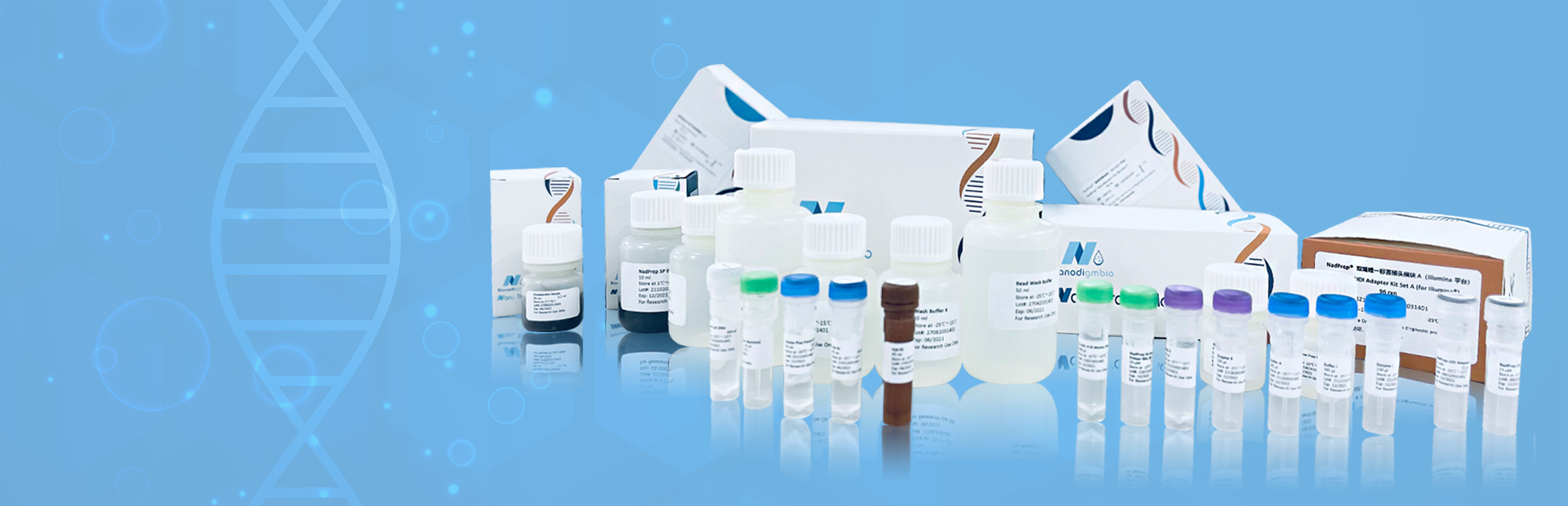
μCaler HyperMix Hybrid Capture Kit is a super-premixed reagent optimized for targeted enrichment of μCaler Panels/Probes (20-100 nt non-isolength) and hybrid capture of various DNA libraries. Featuring the HyperMix design, the hybrid reaction can be prepared simply by adding the probe and library template.
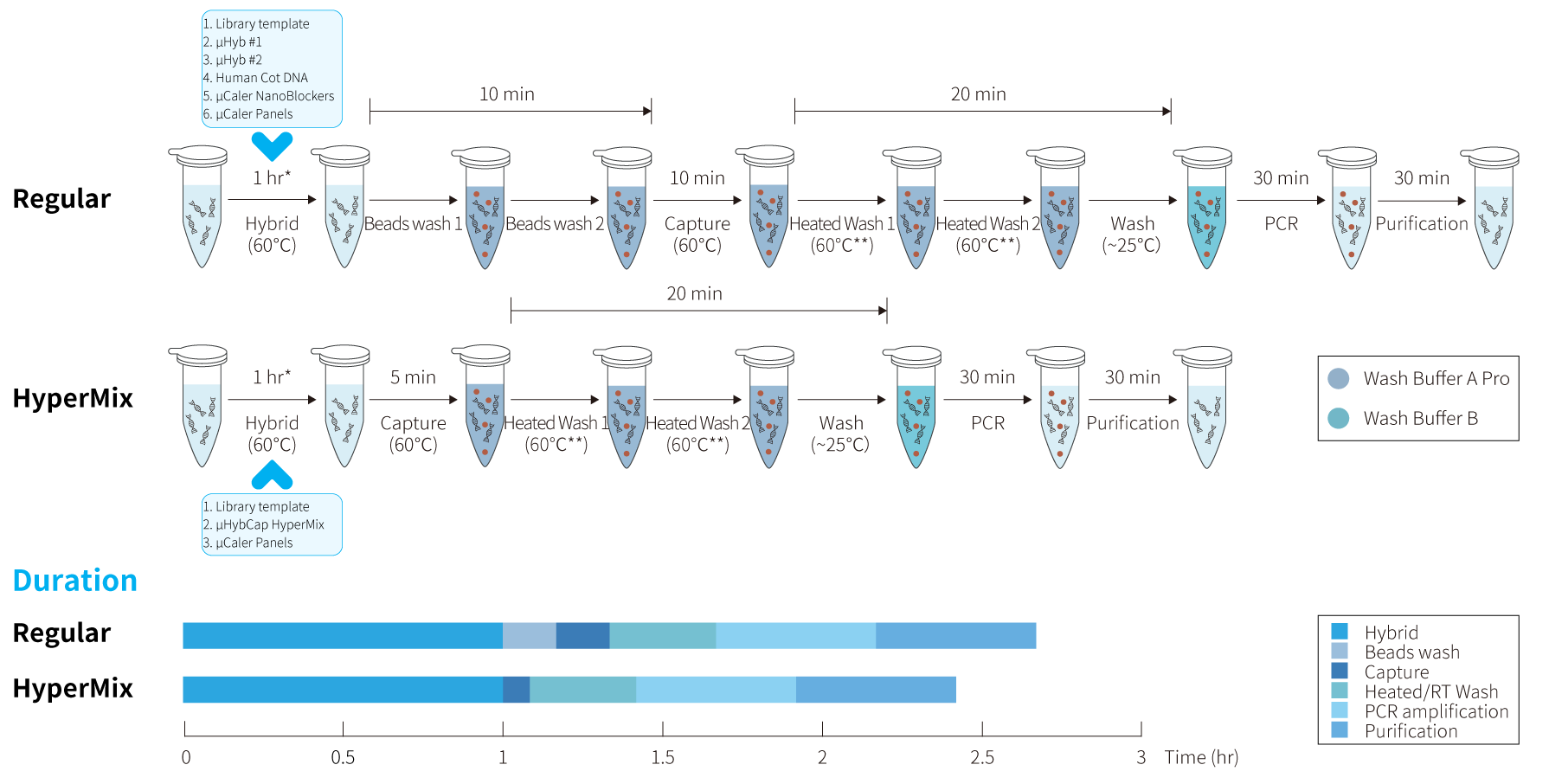
Figure 1. Workflow and turnaround time comparison of the two μCaler Hybrid Capture Reagents.
Note:
03 Features
Hyper-Premixed Design for a Simpler and More Efficient Workflow
- Ready-to-use premixed hybrid reagent simplifies reaction setup to only 3 components, reducing manual pipetting errors;
- All components can be stored at 2 ~ 8°C, eliminating repeated freeze-thaw cycles and minimizing cumbersome preparation steps;
- Wash-free beads design further streamlines operation and shortens the regular hybrid capture workflow to as little as 145 min.
Enhanced Compatibility for More Flexible Automation
- Supports 0.5-12 μg pooled library input and flexible hybrid times from 0.25-16 hr, balancing sample throughput with cost efficiency;.
- Compatible with mainstream NGS platforms such as NovaSeq and DNBSEQ, with different adapter options to support multi-platform deployment;
- Simplified automation workflow configuration and script development, enabling rapid automation deployment while significantly reducing instrument implementation and method validation costs.
- Conventional Probes: Deliver uniform and stable capture performance, supporting multiple variant analyses for routine targeted sequencing applications such as companion diagnostics and MRD monitoring;
- MSRE Probes: Enable simultaneous detection of DNA mutations and methylation, supporting dual-biomarker analysis for early cancer signal identification;
- Methylation Probes: Provide accurate quantification of methylation levels, supporting methylation biomarker discovery and validation as well as multi-cancer early screening product development.
04 Performance
The μCaler HyperMix Hybrid Capture Kit expands the pooled library input range to 12 μg, allowing users to flexibly design hybridization strategies according to different experimental requirements. This enables higher sample throughput while further reducing testing costs. To comprehensively evaluate the compatibility of the μCaler HyperMix Hybrid Capture Kit (hereinafter referred to as HyperMix) with different pooled library inputs, pre-libraries were prepared from human gDNA standard. Four pooled library input levels (0.5, 3, 6, and 12 μg) were tested using a 1 hr hybridization condition, and multiple key performance metrics were evaluated.
Compared with the 500 ng single-library hybridization mode, hybridization of pooled libraries did not compromise capture library quality (Figure 2). As pooled library input increased, mappability, on-target rate, target covered, Fold 80 base penalty and average sequencing depth after deduplication all remained stable. These results demonstrate that HyperMix can reliably support 0.5-12 μg pooled library input while maintaining consistent capture performance. This substantially increases the sample throughput per reaction, providing greater flexibility for high-throughput testing. It also helps reduce reagent and sequencing costs per sample, further improving workflow efficiency and resource utilization.
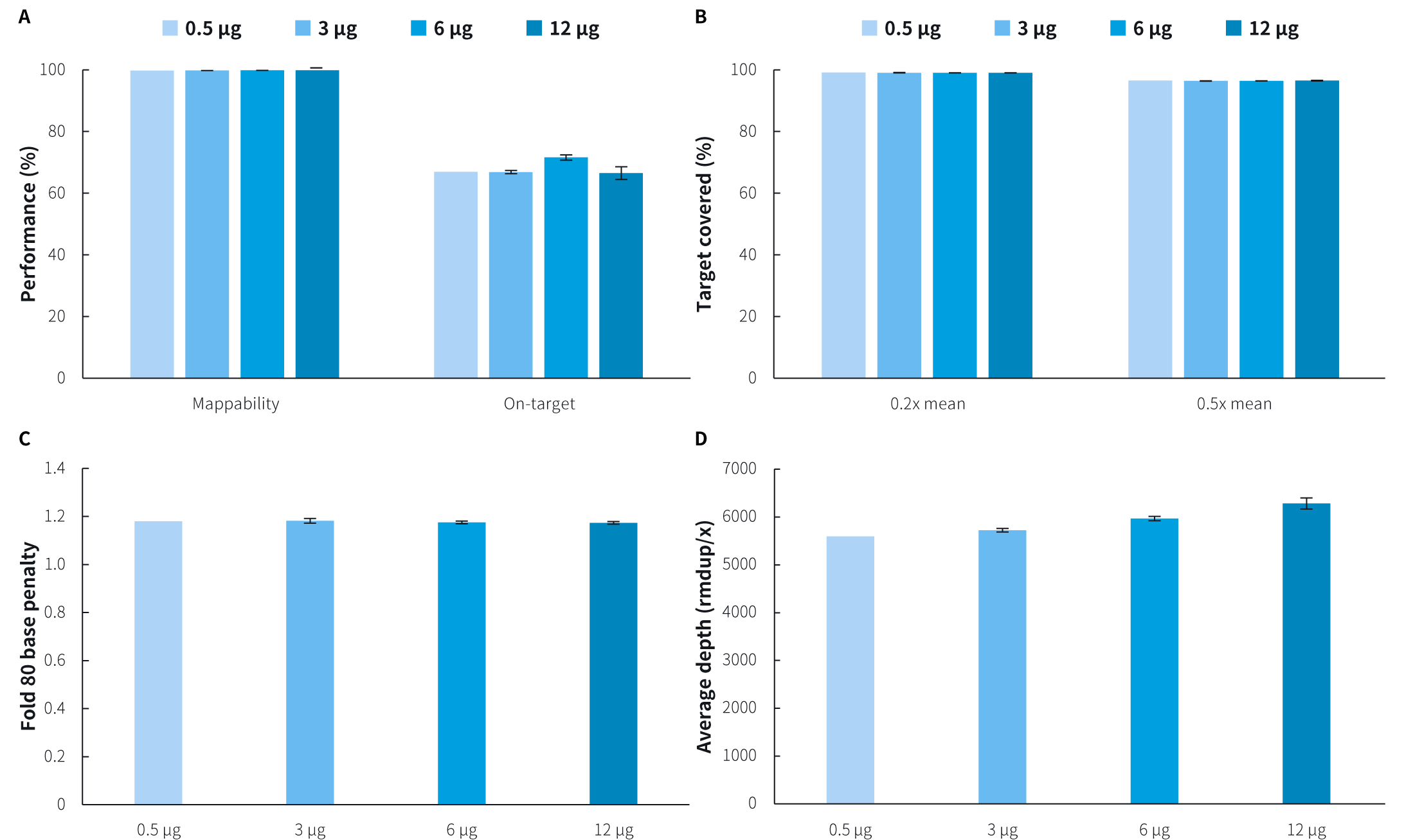
Figure 2. Capture performance of μCaler HyperMix Hybrid Capture Kit across different pooled library input amounts. Pre-libraries were prepared using 50 ng of human gDNA standard with the NadPrep DNA Library Preparation Module v2, coupled with the NadPrep Universal Stubby Adapter (UDI) Module. Hybrid capture was performed with M71 and HyperMix. Sequencing was conducted on the NovaSeq 6000, PE150. For each sample, 0.3 Gb of sequencing data was used for analysis, with calculations based on total reads. A. Mappability & On-target rate; B. Target covered; C. Fold 80 base penalty; D. Average sequencing depth after deduplication.
4.2 Fully Compatible with Mainstream Sequencing Platforms
HyperMix
incorporates Blockers directly into the premixed hybridization reagent, eliminating
the need to prepare an additional sequence
blocking module. Users simply select the appropriate kit version based on the
sequencing platform used in their laboratory (NovaSeq or DNBSEQ) and can quickly initiate the experiment. To systematically
evaluate the capture performance and platform compatibility of HyperMix and the regular multi-tube μCaler Hybrid Capture Reagents (hereinafter
referred to as Regular), pre-libraries were prepared from human gDNA
standards. 500 ng of each pre-library was subjected to hybrid capture, followed
by comparative analysis of multiple key performance metrics.
As shown in Figure 3, HyperMix demonstrated consistent in mappability, on-target rate, target covered, Fold 80 base penalty and average sequencing depth after deduplication across both sequencing platforms, demonstrating excellent cross-platform compatibility. Furthermore, on both NovaSeq and DNBSEQ, HyperMix maintained consistent and excellent capture performance compared with Regular while substantially simplifying the experimental workflow. These results further validate the stability and feasibility of the HyperMix system and wash-free beads design, providing a more efficient and reliable solution for high-efficiency, robust, and automation-ready NGS targeted-capture applications.
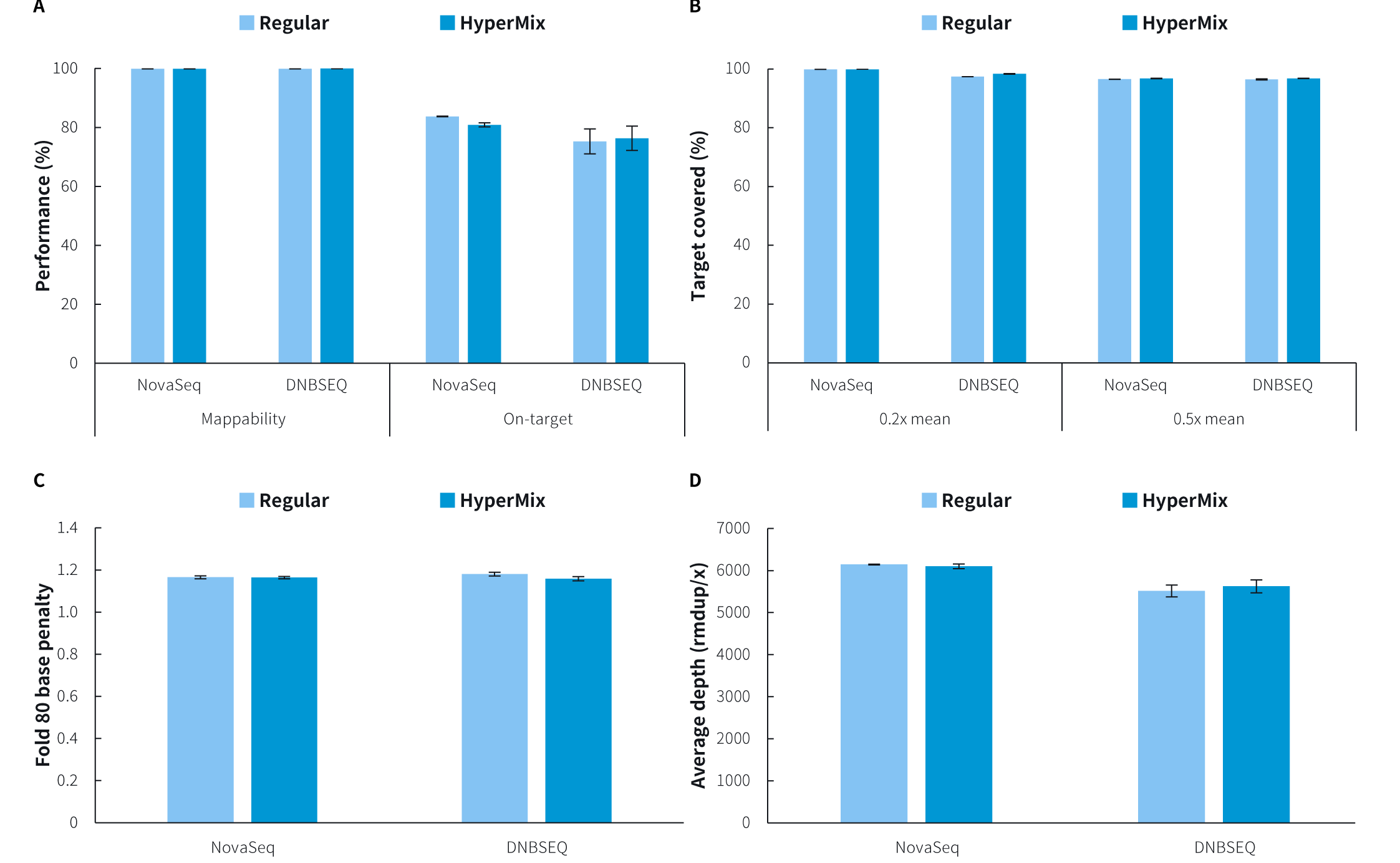
Figure 3. Capture performance of the two μCaler hybrid capture reagents across different sequencing platforms. Pre-libraries were prepared using the NadPrep DNA Library Preparation Module v2 coupled with either the NadPrep Universal Stubby Adapter (UDI) Module or the NadPrep Universal Adapter (MDI) Module (for MGI). 500 ng of each pre-library was performed to hybrid capture using the Regular or the HyperMix (for Illumina®/MGI) with the M71. Sequencing was performed on the NovaSeq 6000 (PE150) and DNBSEQ-T7 (PE150) platforms. A. Mappability & On-target rate B. Target covered; C. Fold 80 base penalty; D. Average sequencing depth after deduplication.
4.3 Consistent Detection Across Multiple Variant Types
Leveraging
the technological advantages of the μCaler Hybrid Capture System, the “conjugation
effect” formed between adjacent probes can significantly enhance binding
affinity and capture specificity within target regions, enabling accurate and
highly sensitive detection of multiple variant types, including SNVs,
insertions, and deletions. With its combination of speed, convenience, high
sensitivity, and robust stability, μCaler hybridization capture technology offers significant application value across a broad range of fields, including early
cancer screening, companion diagnostics, recurrence monitoring, and prognostic
assessment, infectious disease diagnosis and treatment, and genetic safety
evaluation.
To further
validate the performance of HyperMix, a customized Panel was used in
combination with Regular and HyperMix to evaluate variant detection rate and
accuracy using reference standards containing multiple variants at known allele
frequencies. After 1 hr hybridization, both μCaler hybrid-capture reagent systems
achieved 100% detection of the known variants in the reference standards,
demonstrating excellent detection sensitivity. Further analysis showed that the
variant frequencies detected at individual variant sites were highly consistent
between the two systems and closely matched the theoretical frequencies of the
reference standards (Figure 4). These results demonstrate that HyperMix
maintains stable and accurate variant detection performance while substantially
simplifying the experimental workflow.
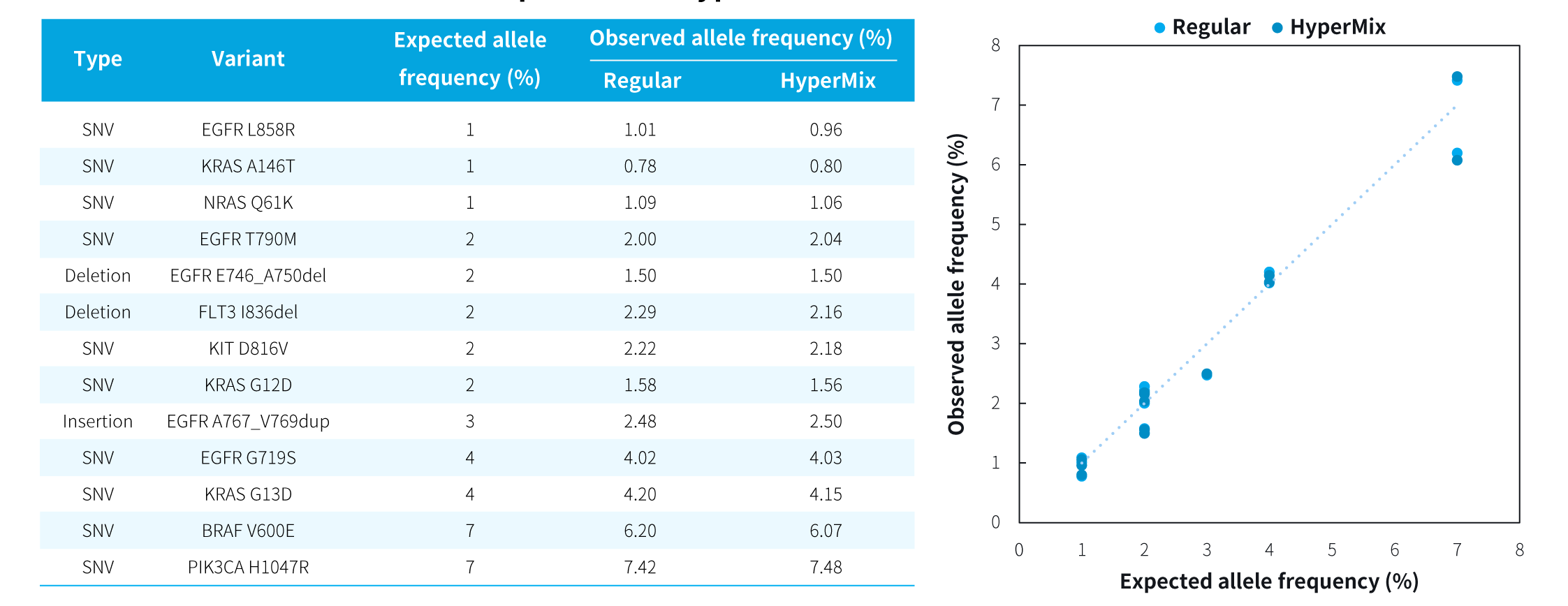
Figure 4. Consistency between observed variant allele frequencies (VAFs) and the expected VAFs in reference standards using two μCaler hybrid capture reagents.
Note:Samples were PancancerLight 800 gDNA Reference Standard (GeneWell, GW-OGTM800), with an initial input amount of 50 ng.
4.4 Accurate Detection for Reliable DNA Methylation Analysis
DNA methylation abnormalities are
closely associated with the entire process of precancerous lesion development
and cancer initiation and progression, making DNA methylation one of the most
promising molecular biomarkers for multi-cancer early detection. Leveraging an
optimized hybrid-capture system and proprietary probe design, μCaler hybridization
capture technology enables efficient enrichment of methylation libraries
and precise detection of different methylation states, providing comprehensive
and reliable data support for methylation research. The upgraded HyperMix further streamlines the methylation workflow, reducing the magnetic-bead
binding time from 10 min to 5 min, consistent with the
conventional DNA library workflow, thereby further improving experimental
efficiency.
To
systematically evaluate the performance of HyperMix in methylation
applications, pre-libraries were prepared from 50 ng simulated samples with
different methylation levels (0%, 10%, and 50%).500 ng input per pre-library was
used for hybridization capture with the μCaler EMS Panel v1.0 (20 Kb: 76 genes and 2,097 CpG sites) using a 2 hr hybridization
condition. Capture performance was comprehensively evaluated in terms of capture
efficiency, coverage uniformity, and sequencing depth. Results showed that
despite the further simplified workflow, HyperMix continued to generate
high-quality methylation-capture libraries. Samples with different
methylation levels demonstrated capture performance comparable to Regular: the mappability remained
consistently above 99%, while the on-target rate remained above 60%. In
addition, coverage uniformity across CpG sites remained excellent, with 0.2×
mean and 0.5× mean CpG coverage exceeding 99% and 95%, respectively. The Fold 80 base penalty was also maintained at ≤ 1.65. With 0.3 Gb of sequencing data per sample used for analysis,
the average coverage depth across all CpG sites remained stable at
approximately 1,200×, demonstrating that HyperMix provides a
stable and reliable data foundation for methylation detection (Figure 5).
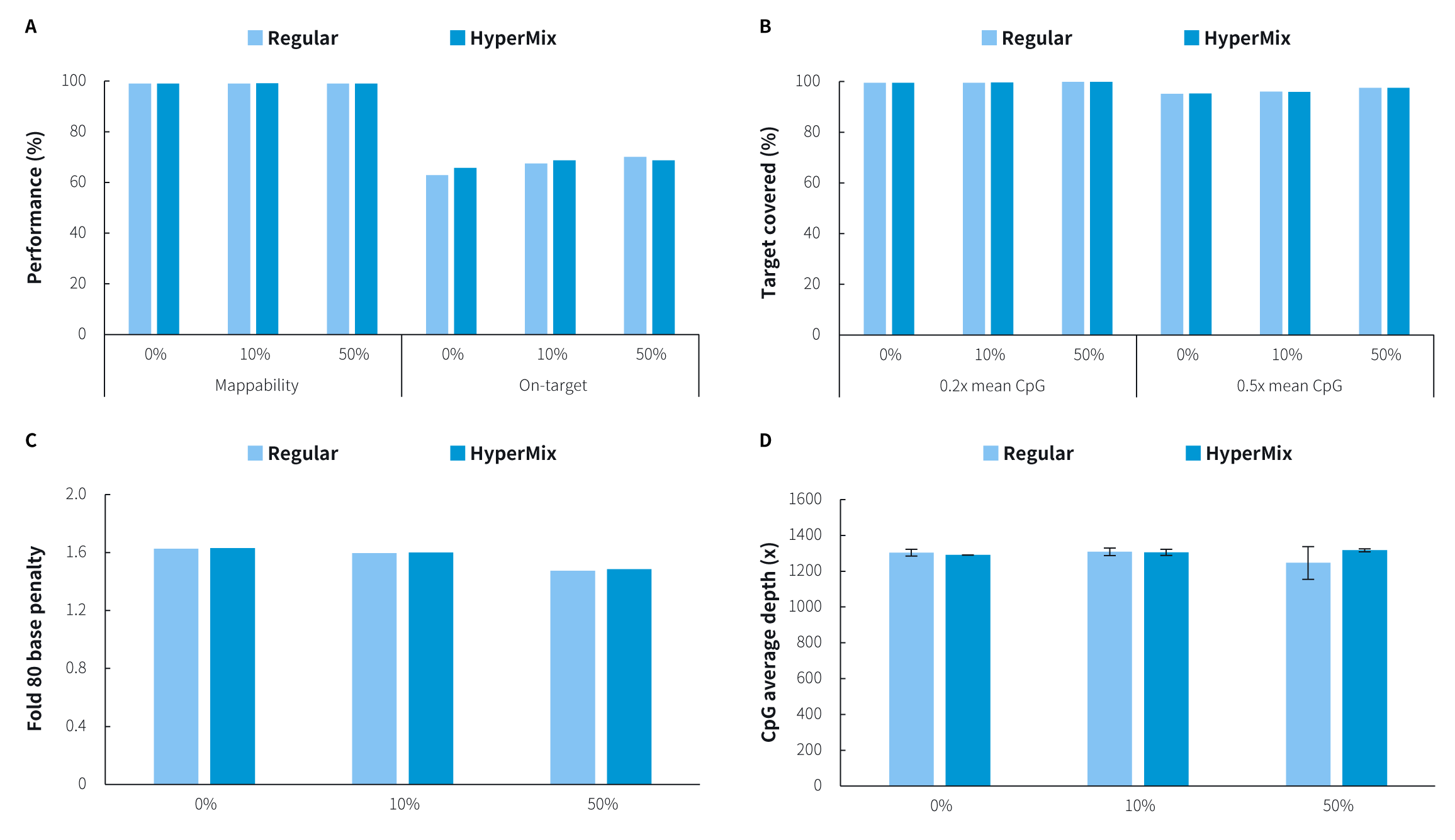
Figure 5. Capture performance of two μCaler
hybrid capture reagents using simulated samples with varying methylation
levels. A. Mappability &
On-target rate;B. Target covered;C. Fold 80 base penalty;D.
Note:
Furthermore,
we evaluated the quantitative accuracy of HyperMix for determining methylation
levels. The measured methylation levels of simulated samples with different
methylation levels were highly consistent with their theoretical values and
comparable to those obtained with Regular (Figure 6. A). Meanwhile, the boxplot of methylation levels across all CpG
sites covered by the μCaler EMS Panel v1.0 showed consistent quantitative
results between the two systems, with the median methylation levels closely
matching the corresponding theoretical values (Figure 6. B).
These results
demonstrate that HyperMix can accurately reflect the methylation status of
samples and enable precise quantification of methylation levels, providing
reliable technical support for multi-cancer early detection and epigenetic
research.
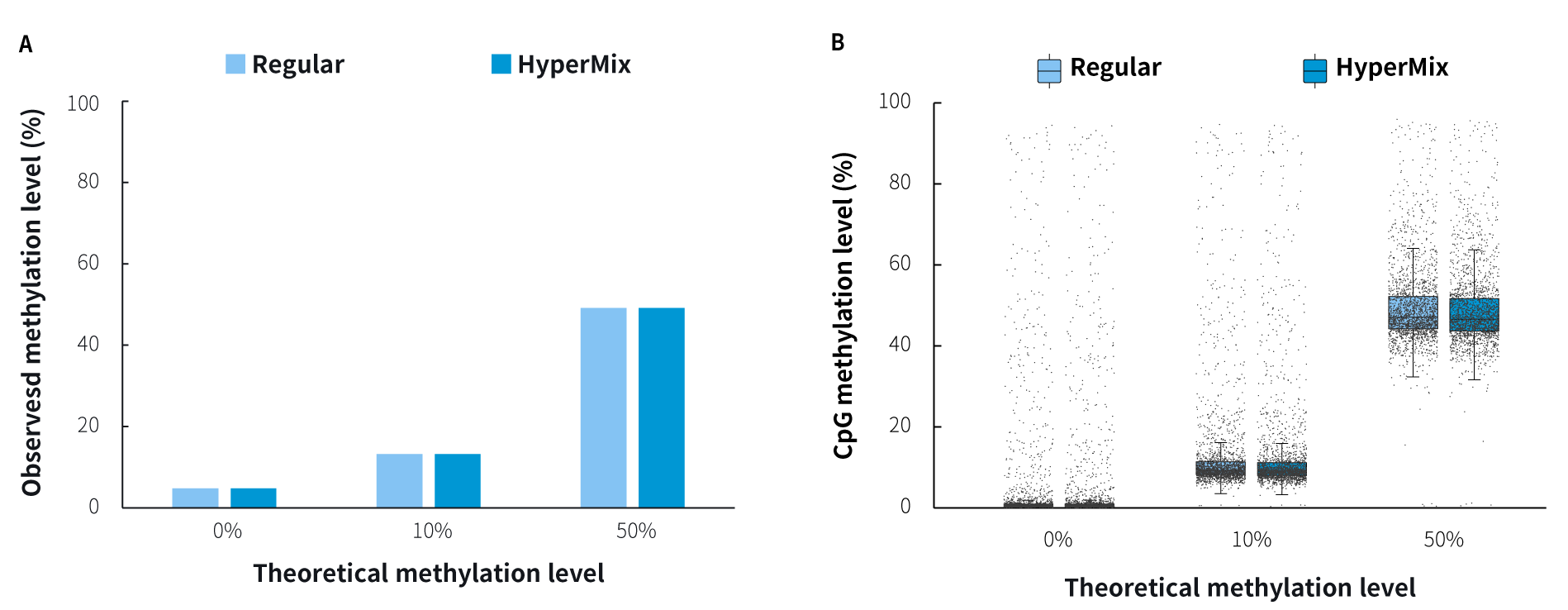
Figure 6. Concordance
between methylation levels detected using the two μCaler hybrid-capture reagent
systems and the theoretical values. A. Comparison of
theoretical and experimentally measured methylation levels;B.
05 Summary and Outlook
With the
continued development of precision medicine, public health, and life science
research, NGS hybrid-capture technology is evolving toward greater efficiency,
standardization, automation, and broader application scenarios. As a new
product within the μCaler Hybrid Capture System, the μCaler HyperMix
Hybrid Capture Kit represents a major upgrade from a “multi-tube” to
a “HyperMix” format. While retaining the core advantages of high
sensitivity and stable Mini Panel capture, its innovative HyperMix design
substantially simplifies the experimental workflow, reduces the potential for
human error, and significantly improves operational convenience and automation
compatibility, while maintaining capture
performance comparable to that of the regular multi-tube system.
Systematic
performance evaluations demonstrated that HyperMix delivers stable and
reliable capture performance across multiple application scenarios, including high-input
pooled library capture, compatibility with mainstream sequencing platforms,
detection of multiple variant types, and precise methylation analysis. These
capabilities provide more efficient technical support for applications in precision
oncology, infectious disease testing, multi-cancer early detection, and genetic
research.
Looking
ahead, μCaler hybridization capture technology will continue to focus on
technological innovation in greater efficiency, higher sensitivity, smarter
automation, and broader application scenarios. By continuously expanding and
optimizing the hybrid-capture product portfolio, μCaler aims to accelerate the
adoption of NGS targeted capture across precision medicine, life sciences, and
public health, providing stable, efficient, and reliable integrated solutions
for both scientific research and clinical translation.
Solutions
- Methyl Library Preparation Total Solution
- Sequencing single library on different platform--Universal Stubby Adapter (UDI)
- HRD score Analysis
- Unique Dual Index for MGI platforms
- RNA-Cap Sequencing of Human Respiratory Viruses Including SARS-CoV-2
- Total Solution for RNA-Cap Sequencing
- Total Solution for MGI Platforms
- Whole Exome Sequencing
- Low-frequency Mutation Analysis
Events
-
Exhibition Preview | Nanodigmbio invites you to join us at Boston 2025 Annual Meeting of the American Society of Human Genetics (ASHG)
-
Exhibition Preview | Nanodigmbio Invites You to Join Us at WHX & WHX Labs Kuala Lumpur 2025, Malaysia International Trade and Exhibition Centre in Kuala Lumpur

-
Exhibition Preview | Nanodigmbio Invites You to Join Us at Hospitalar 2025, Brazil International Medical Device Exhibition in São Paulo

-
Exhibition Preview | Nanodigmbio invites you to join us at Denver 2024 Annual Meeting of the American Society of Human Genetics (ASHG)

-
Exhibition Preview | Nanodigmbio invites you to join us at Sapporo 2024 Annual Meeting of the Japan Society of Human Genetics (JSHG)

-
Exhibition Preview | Nanodigmbio invites you to join us at Association for Diagnostics & Laboratory Medicine (ADLM)